April 22nd, 2020
I did really well the first two weeks. Ran a (virtual) 5K at a sub 8-minute mile. Kept the beds made and the rugs vacuumed on the daily. Washed my hair. My ability to cope with the uncertainty of this weird new normal slowly degraded however, and now I’m in this weird place where I only feel… safe (I think that’s the word. Unanxious. Grounded. Okay.) if I’m eating. Or too distracted to think about eating. So let’s get distracted, shall we?
Ask me anything! I’ll answer! Just be nice but not like, too nice because I cry REALLY easily right now.
April 17th, 2020
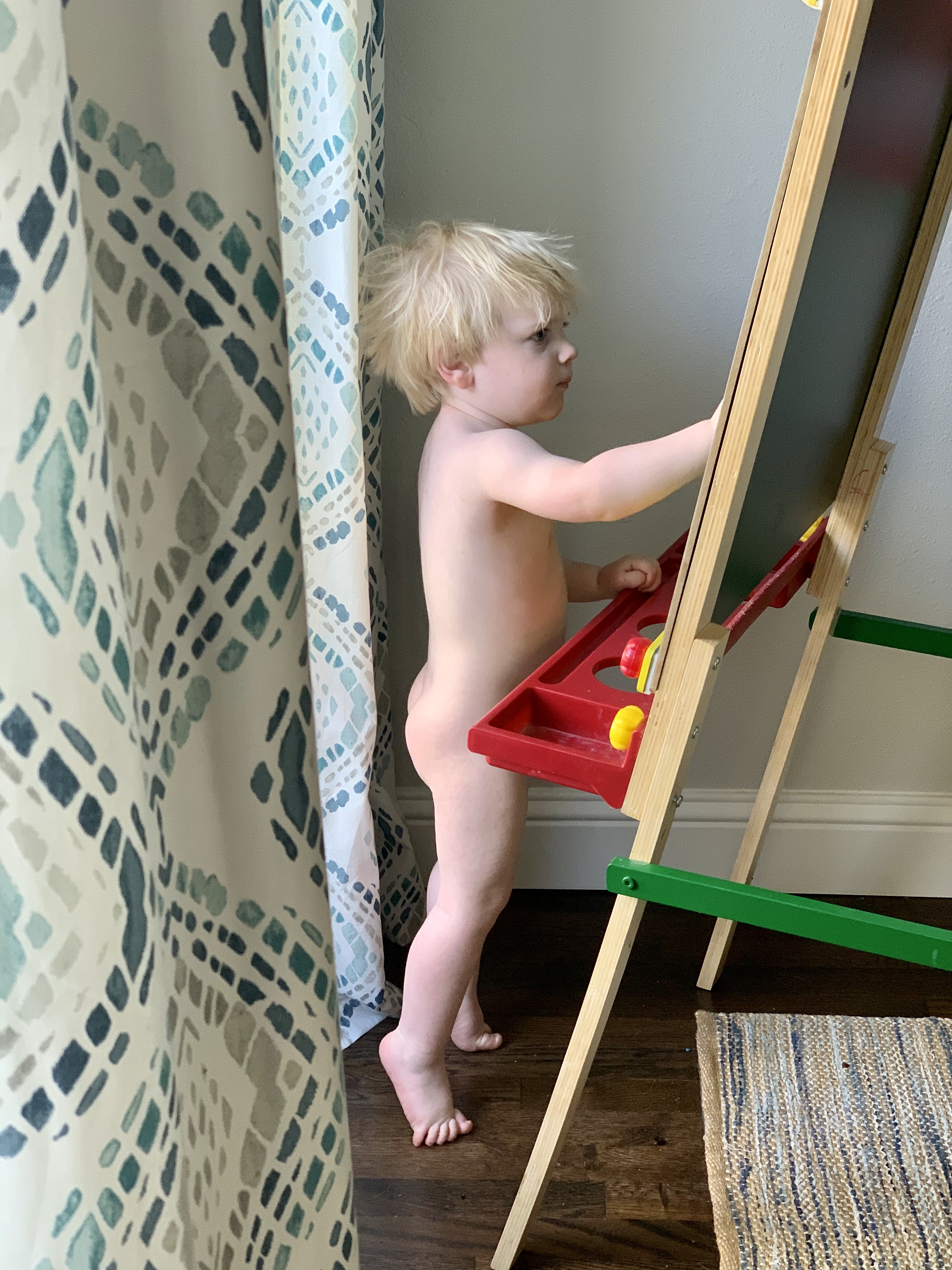
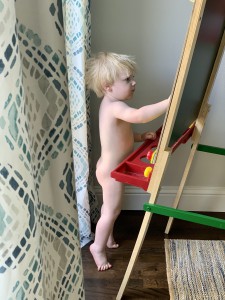 My two year old resembles Boris Johnson. People often feel the need to console me on this point. I am not worried. Now, if his politics resembled Johnson’s, I’d be a little more concerned. But Teddy is a budding socialist (one who likes to headbutt and *throw things at you when he’s mad, but there’s so much room for improvement in toddlers, we’re putting off intensive psychotherapy until he’s at least four). Give Teddy a cookie and his first response is, “Charlie cookie?” I’ve got the good stuff, he says, I want my brother to have it, too. But not his truck. Or his other truck. Or the truck that’s rightly Charlie’s. Because even socialism has its limits. And a communist, he is not. My two year old resembles Boris Johnson. People often feel the need to console me on this point. I am not worried. Now, if his politics resembled Johnson’s, I’d be a little more concerned. But Teddy is a budding socialist (one who likes to headbutt and *throw things at you when he’s mad, but there’s so much room for improvement in toddlers, we’re putting off intensive psychotherapy until he’s at least four). Give Teddy a cookie and his first response is, “Charlie cookie?” I’ve got the good stuff, he says, I want my brother to have it, too. But not his truck. Or his other truck. Or the truck that’s rightly Charlie’s. Because even socialism has its limits. And a communist, he is not.
*When I say he likes to throw things when he’s mad, I mean, he will leave the room, hunt down the heaviest, most menacing object he can lift, return to the scene of the offense, and throw it at you.
April 3rd, 2020
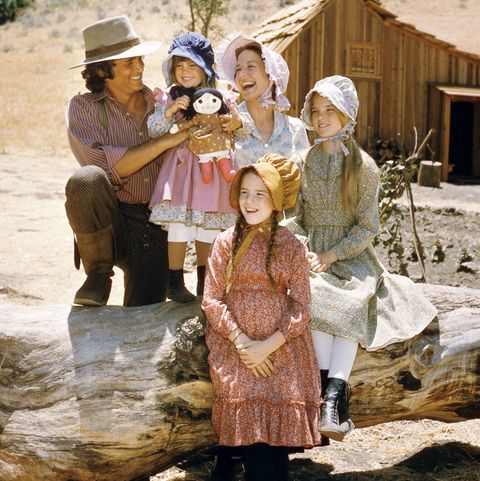
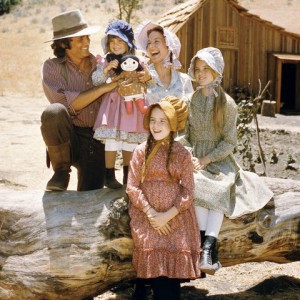 What Would Ma Ingalls Do?
It has now been a good decade since I watched an episode of the World’s Best TV Series. But from my memory, Walnut Grove had a few good brushes with epidemics, drought, pestilence, and other scary shit. Like bandits, and nitroglycerine. I mean, the prairie is always trying to kill you, so you’ve got to be on your toes. When things get dicey, I always fall back on my Little House education for keeping things together in a time of crisis. Now I’m sharing those time-honored tactics with you.
Get the sod house ready. In other words, get you a PLAN. If Pa got sick, you know he was prepared to sweat it out alone in the sod house to protect his family. We decided that if someone in this house gets sick, they go straight to the sod house (master bedroom) where, only the designated caregiver (me) is allowed to drop food and brief messages of comfort while covered head to toe in garbage bags. If it’s me who gets sick, well, I’m screwed. I’ll have to live off that bottle of Tums on my dresser. Like Ma taking a hot knife to her infected leg, I’ll do what I have to do.
Put some stuff away in the root cellar. When things took a serious turn, I bought one extra of everyday necessities and stuck them in the freezer in the garage. It seems like something Ma would have done. You know, put away some flour in the event the crickets come this spring. Or in our case, a loaf of Mrs. Baird’s, some whole milk, and those no-sugar-added popsicles I like to eat while bingeing Netflix right before bed. I also made extra dinner a few nights in a row and froze the leftovers for when things really get bad. At least I know if I fall ill, my two year old will still be throwing perfectly healthy lentil soup on the floor in a tantrum over god knows what.
Nextdoor.com is the Mrs. Oleson of the Internet. Do not engage with that old bag. Nope, not even to set her straight. You see her coming your way from down the road, you fake an errand at the blacksmith. DO WHAT YOU MUST.
Take care of your neighbors. I’d like to think it doesn’t take a catastrophic event for me to be a good neighbor. But in times like these, it’s just as important that your neighbor has spinach for their smoothies as it is for you to have your morning banana, so before you do that provision run, you might want to check in next door. VIA TEXT. DON’T BE CRAZY.
Dirt and sticks make great toys. This is a great opportunity to teach your kids about gratitude. In the absence of outside entertainment, we’re teaching our kids to make do. You know, with a house full of toys, technology, and endless attention from their parents. Hard knock life, right? I will say I was rather proud when we explained that parks are a no-go right now, my kid, ON HIS OWN, acknowledged that he is lucky to have a playground in his backyard. He still throws an epic fit when I won’t buy yet another season of Paw Patrol the Plots Just Get Stupider, but we’re getting there.
Brush your hair 100 times before going to bed. Okay, this has nothing to do with our current predicament, but it’s really great for your scalp and let’s be honest, what else are you doing?
January 23rd, 2019
Yikes. I haven’t updated WordPress in about a hundred years so it’s being glitchy.
November 11th, 2015
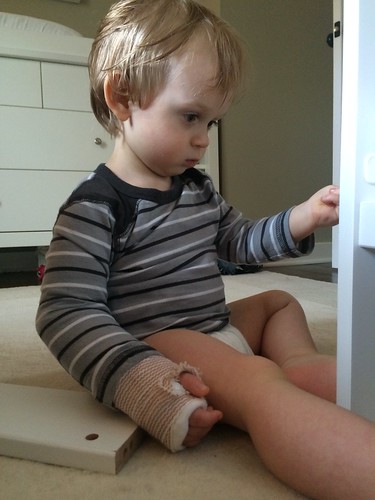 Today, Charlie and I spent an inordinately long time (he’s helping, see? Such a helper) converting his crib into a toddler bed. Today, Charlie and I spent an inordinately long time (he’s helping, see? Such a helper) converting his crib into a toddler bed.
About five hours too late.
Aside from trying to chew his cast off like a wild animal, he’s acting like nothing happened. Pretty sure I’m more traumatized than he is about the whole thing (though, I thought we were gonna need a tranq gun in the ER. He was not pleased about being there). And from what I’ve seen of my fearless little boy, this is just the first of many visits to the ER. Okay, second. We’ve been there before so he could get a feeding tube. Same room. Lots of crying. Only this time, his mom held it together.
|
She ain’t Heavy; She’s my Blogger Want to leave a small token of your undying love and affection in the Tip Jar? I can help!
Gratuitous Cat Lady Pictures
|